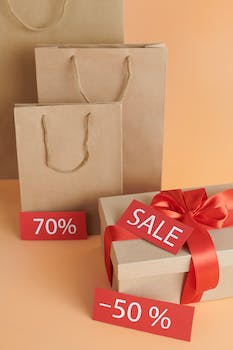
Packaging plays a crucial role in branding your design store. It serves as the first point of contact between your product and the customer, making it an essential element in creating a positive brand experience. The packaging design not only protects the product but also communicates the brand’s identity, values, and story. It helps differentiate your store from competitors, attracts attention, and influences purchasing decisions. Therefore, investing in well-designed and visually appealing packaging can significantly enhance your brand’s image and contribute to the overall success of your design store.
The Importance of Packaging in Branding Your Design Store
The role of packaging in branding your design store cannot be overstated. Packaging is not just a means to protect and transport your products; it is a powerful tool that can help you create a strong brand identity and leave a lasting impression on your customers. In today’s competitive market, where consumers are bombarded with countless options, packaging plays a crucial role in attracting attention and influencing purchasing decisions.
First and foremost, packaging serves as the face of your brand. It is often the first thing that customers see and interact with when they come across your products. A well-designed and visually appealing package can instantly grab attention and create a positive impression. On the other hand, a poorly designed or unattractive package can turn potential customers away, regardless of the quality of the product inside. Therefore, investing in high-quality packaging that reflects your brand’s values and aesthetics is essential.
Packaging also helps to communicate your brand’s story and values. Through the use of colors, typography, and imagery, you can convey the personality and essence of your brand. For example, if your design store specializes in minimalist and modern products, your packaging should reflect this aesthetic with clean lines, simple fonts, and a sleek design. By aligning your packaging with your brand’s identity, you can create a cohesive and memorable experience for your customers.
Furthermore, packaging can enhance the perceived value of your products. Studies have shown that consumers are willing to pay more for products that are well-packaged and visually appealing. By investing in high-quality materials and design, you can create a sense of luxury and exclusivity around your products. This can help you command higher prices and position your design store as a premium brand in the market.
Packaging also plays a crucial role in differentiating your design store from competitors. In a crowded marketplace, where similar products are vying for attention, packaging can be the key factor that sets you apart. By creating a unique and distinctive package design, you can make your products instantly recognizable and memorable. This can help you build brand loyalty and encourage repeat purchases.
In addition to its visual appeal, packaging also serves practical purposes. It should be functional and user-friendly, making it easy for customers to open, use, and store your products. Consider the size, shape, and materials of your packaging to ensure that it aligns with the needs and preferences of your target audience. A well-designed package that is easy to use and store can enhance the overall customer experience and contribute to customer satisfaction.
In conclusion, packaging plays a vital role in branding your design store. It is not just a means to protect and transport your products; it is a powerful tool that can help you create a strong brand identity, attract attention, and influence purchasing decisions. By investing in high-quality packaging that reflects your brand’s values and aesthetics, you can create a memorable and cohesive experience for your customers. Additionally, packaging can enhance the perceived value of your products, differentiate your design store from competitors, and contribute to overall customer satisfaction. Therefore, it is crucial to prioritize packaging as an integral part of your branding strategy.
How Packaging Can Enhance Your Design Store’s Brand Identity
The packaging of a product plays a crucial role in establishing and enhancing a brand’s identity. This is especially true for design stores, where the packaging is not only a means of protecting and presenting the product but also a reflection of the store’s aesthetic and values. In this article, we will explore the various ways in which packaging can contribute to branding a design store.
First and foremost, packaging serves as a visual representation of a brand. When customers see a well-designed and thoughtfully crafted package, it immediately creates a positive impression and sets the tone for the overall brand experience. For a design store, this is particularly important as it showcases the store’s commitment to quality and attention to detail. By investing in high-quality packaging materials and incorporating unique design elements, a design store can create a memorable and distinctive brand image.
In addition to visual appeal, packaging also communicates important information about the product and the brand. This includes details such as the product’s features, usage instructions, and the brand’s story. By carefully selecting the right fonts, colors, and imagery, a design store can effectively convey its brand message and values through its packaging. For example, a store that specializes in eco-friendly products may choose to use recycled materials and earthy tones in its packaging to highlight its commitment to sustainability.
Furthermore, packaging can serve as a powerful marketing tool for a design store. By incorporating the store’s logo, tagline, and contact information on the packaging, it becomes a walking advertisement for the brand. When customers carry the product in its branded packaging, they become brand ambassadors, spreading awareness and generating interest in the store. This is particularly effective in today’s social media-driven world, where customers often share their purchases online, giving the brand exposure to a wider audience.
Packaging can also contribute to the overall customer experience. When a customer receives a product in beautifully designed packaging, it creates a sense of excitement and anticipation. This positive experience not only enhances customer satisfaction but also encourages repeat purchases and word-of-mouth referrals. A design store can leverage this by creating packaging that is not only visually appealing but also functional and user-friendly. For example, incorporating easy-to-open features or reusable packaging can add value to the customer’s experience and further reinforce the brand’s identity.
Lastly, packaging can help differentiate a design store from its competitors. In a crowded marketplace, where customers are bombarded with numerous options, having distinctive packaging can make a design store stand out. By investing in unique and innovative packaging designs, a store can create a lasting impression and build brand loyalty. This can be achieved through creative use of materials, unconventional shapes, or interactive elements that engage the customer.
In conclusion, packaging plays a vital role in branding a design store. It not only visually represents the brand but also communicates important information, serves as a marketing tool, enhances the customer experience, and differentiates the store from its competitors. By investing in well-designed and thoughtfully crafted packaging, a design store can create a strong and memorable brand identity that resonates with its target audience.
Packaging Strategies to Make Your Design Store Stand Out
In the competitive world of retail, it is crucial for design stores to find ways to stand out from the crowd. While many factors contribute to a store’s success, one often overlooked aspect is packaging. Packaging plays a vital role in branding your design store and can make a significant impact on your customers’ perception of your products.
First and foremost, packaging serves as a visual representation of your brand. It is the first thing customers see when they encounter your products, and it sets the tone for their entire shopping experience. Therefore, it is essential to invest time and effort into creating packaging that accurately reflects your brand’s identity and values.
One effective packaging strategy is to incorporate your design store’s logo and color scheme into your packaging design. This helps create a cohesive and recognizable brand image that customers can easily identify. By consistently using your logo and colors across all packaging materials, from boxes to bags, you reinforce your brand’s visual identity and make a lasting impression on your customers.
Another important aspect of packaging is its functionality. While aesthetics are crucial, packaging should also be practical and convenient for customers to use. Consider the size and shape of your products and design packaging that fits them perfectly. This not only protects your products during transportation but also enhances the overall customer experience. Easy-to-open packaging, such as boxes with magnetic closures or tear strips, can also make a positive impression on customers and encourage repeat purchases.
Furthermore, eco-friendly packaging has become increasingly important in recent years. Consumers are becoming more conscious of their environmental impact and are actively seeking out brands that share their values. By using sustainable materials and minimizing waste in your packaging, you not only appeal to environmentally conscious customers but also position your design store as a responsible and ethical brand.
Transitional phrase: In addition to visual appeal and functionality, the unboxing experience is another crucial aspect of packaging that can set your design store apart from the competition.
The unboxing experience refers to the excitement and anticipation customers feel when opening a package. It is an opportunity to create a memorable and delightful moment that leaves a lasting impression. Consider adding personalized touches, such as handwritten notes or small gifts, to surprise and delight your customers. This not only enhances the overall customer experience but also encourages them to share their unboxing experience on social media, generating valuable word-of-mouth marketing for your design store.
Moreover, packaging can also serve as a marketing tool. By strategically placing your brand’s logo, website, or social media handles on your packaging, you can increase brand visibility and drive traffic to your online platforms. Encourage customers to share their purchases on social media by including hashtags or offering incentives, such as discounts or giveaways. This not only expands your reach but also creates a sense of community around your brand.
In conclusion, packaging plays a crucial role in branding your design store. By incorporating your brand’s visual identity, focusing on functionality and convenience, embracing eco-friendly practices, and creating a memorable unboxing experience, you can make your design store stand out from the competition. Remember, packaging is not just a means to protect and transport your products; it is an opportunity to make a lasting impression on your customers and build a strong brand identity.
The Role of Packaging in Creating a Memorable Customer Experience for Your Design Store
In the competitive world of retail, creating a memorable customer experience is crucial for the success of any design store. While many factors contribute to this experience, one often overlooked aspect is packaging. Packaging plays a significant role in branding your design store and leaving a lasting impression on your customers.
First and foremost, packaging serves as a visual representation of your brand. It is the first thing customers see when they receive their purchase, and it sets the tone for their overall experience. A well-designed and thoughtfully crafted package can convey the values and personality of your design store, instantly capturing the attention and interest of your customers.
Furthermore, packaging can enhance the perceived value of your products. When customers receive a beautifully packaged item, they are more likely to associate it with quality and luxury. This association can significantly impact their perception of your brand and influence their decision to make future purchases. By investing in high-quality packaging materials and design, you can elevate the perceived value of your products and position your design store as a premium brand.
Packaging also plays a crucial role in creating a sense of anticipation and excitement for your customers. The unboxing experience has become a phenomenon in recent years, with countless videos and social media posts dedicated to showcasing the joy of opening a well-packaged item. By designing packaging that is visually appealing and engaging, you can create a sense of anticipation and make the unboxing experience a memorable event for your customers. This not only enhances their overall experience but also encourages them to share their excitement with others, effectively promoting your brand through word-of-mouth marketing.
Moreover, packaging can be used as a tool for storytelling. By incorporating elements such as personalized notes, product information, or even small gifts, you can create a narrative around your brand and products. This narrative helps to establish an emotional connection with your customers, making them feel more connected and invested in your design store. When customers feel a personal connection to a brand, they are more likely to become loyal advocates and repeat customers.
Additionally, packaging can serve as a practical and functional tool for your customers. It should not only protect the product during transit but also provide a convenient and user-friendly experience. Consider incorporating features such as easy-open tabs, resealable closures, or compartments for accessories to enhance the usability of your packaging. By prioritizing functionality, you can further enhance the overall customer experience and ensure that your packaging is not only visually appealing but also practical and user-friendly.
In conclusion, packaging plays a vital role in creating a memorable customer experience for your design store. It serves as a visual representation of your brand, enhances the perceived value of your products, creates anticipation and excitement, tells a story, and provides practical functionality. By investing in high-quality packaging materials and design, you can effectively brand your design store and leave a lasting impression on your customers. Remember, packaging is not just a means to protect your products; it is an opportunity to create a memorable and engaging experience that sets your design store apart from the competition.
Packaging Trends to Consider for Branding Your Design Store
Packaging plays a crucial role in branding your design store. It is not just a means to protect and transport your products; it is also a powerful tool to communicate your brand identity and create a lasting impression on your customers. In this article, we will explore some packaging trends that you should consider for branding your design store.
Firstly, eco-friendly packaging is gaining popularity among consumers and businesses alike. With increasing awareness about environmental issues, customers are more inclined to support brands that prioritize sustainability. Using recyclable or biodegradable materials for your packaging not only reduces your carbon footprint but also sends a positive message about your brand’s commitment to the environment. Incorporating eco-friendly packaging into your branding strategy can help you attract environmentally conscious customers and differentiate your design store from competitors.
Another packaging trend to consider is minimalistic design. In today’s fast-paced world, simplicity is key. Minimalistic packaging designs with clean lines, muted colors, and simple typography can create a sense of elegance and sophistication. By eliminating unnecessary clutter and focusing on essential elements, you can convey a sense of quality and refinement. Minimalistic packaging not only appeals to modern consumers but also allows your products to take center stage, showcasing their unique design and craftsmanship.
Personalization is also a significant trend in packaging. Customers appreciate a personalized touch that makes them feel valued and special. By customizing your packaging with personalized messages, names, or even unique designs, you can create a memorable experience for your customers. Personalization not only enhances the perceived value of your products but also fosters a sense of loyalty and connection with your brand. It is an effective way to make your design store stand out and leave a lasting impression on your customers.
In addition to personalization, interactive packaging is gaining traction in the design industry. Interactive packaging engages customers and creates a sense of excitement and curiosity. It can involve elements such as hidden messages, puzzles, or even augmented reality experiences. By incorporating interactive elements into your packaging, you can create a memorable and immersive brand experience that goes beyond the product itself. This trend is particularly effective for design stores as it allows customers to engage with your brand on a deeper level and creates a sense of anticipation and delight.
Lastly, incorporating storytelling into your packaging can be a powerful branding tool. Humans are naturally drawn to stories, and by telling a compelling narrative through your packaging, you can create an emotional connection with your customers. Whether it is the story of how your products are made, the inspiration behind your designs, or the journey of your brand, storytelling adds depth and meaning to your packaging. It allows customers to connect with your brand on a personal level and creates a sense of authenticity and trust.
In conclusion, packaging is an essential aspect of branding your design store. By considering packaging trends such as eco-friendliness, minimalistic design, personalization, interactivity, and storytelling, you can create a packaging strategy that not only enhances your brand identity but also resonates with your target audience. Remember, packaging is not just a functional necessity; it is an opportunity to create a memorable brand experience and leave a lasting impression on your customers.